Solution
Oddity does not record continuously and does not use facial recognition or biometrics. Video streams are encrypted in transit, and footage is processed in memory rather than stored. Only short alert clips are retained, and retention can be configured per customer.
Each camera stream requires approximately 4 Mbps at 720p or 10 Mbps at 1080p. All data is transmitted securely through an encrypted VPN connection.
Yes. Oddity signs a Business Associate Agreement, encrypts all Protected Health Information, and is hosted on HIPAA-eligible Google Cloud infrastructure. For more detail, visit our Privacy and HIPAA alignment page.
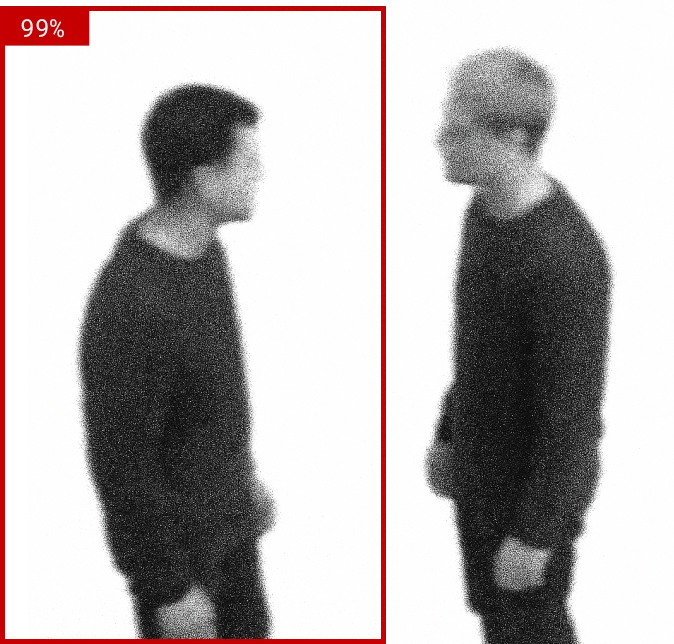
Traditional video analytics rely on basic motion rules and tend to generate a high number of false alarms. Oddity uses deep learning trained specifically on physical aggression, so it recognizes behavioral patterns rather than just movement. The result is fewer false alerts and more reliable detection.
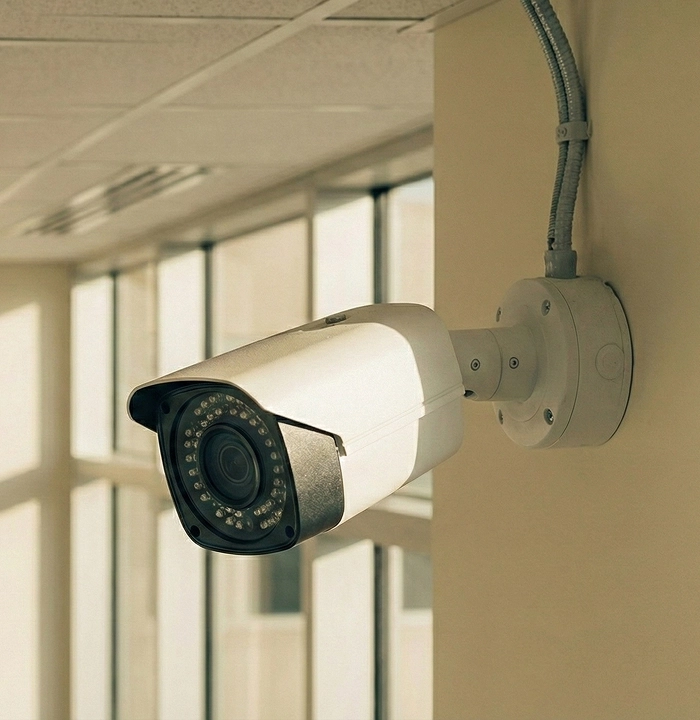
Oddity works with most existing IP cameras. For optimal detection, we recommend a minimum resolution of 720p at 24 frames per second. No new hardware is needed in most cases.
Your existing video footage stays on your own systems. Oddity retains only short alert clips and operational metadata, encrypted and stored for up to 30 days by default. Retention periods can be shortened per customer policy, and data is purged automatically.
Yes. Oddity follows data minimization principles, offers EU-based hosting, supports Right to Be Forgotten requests, and conducts regular Data Protection Impact Assessments. Our approach is designed to align with both GDPR and the EU AI Act.